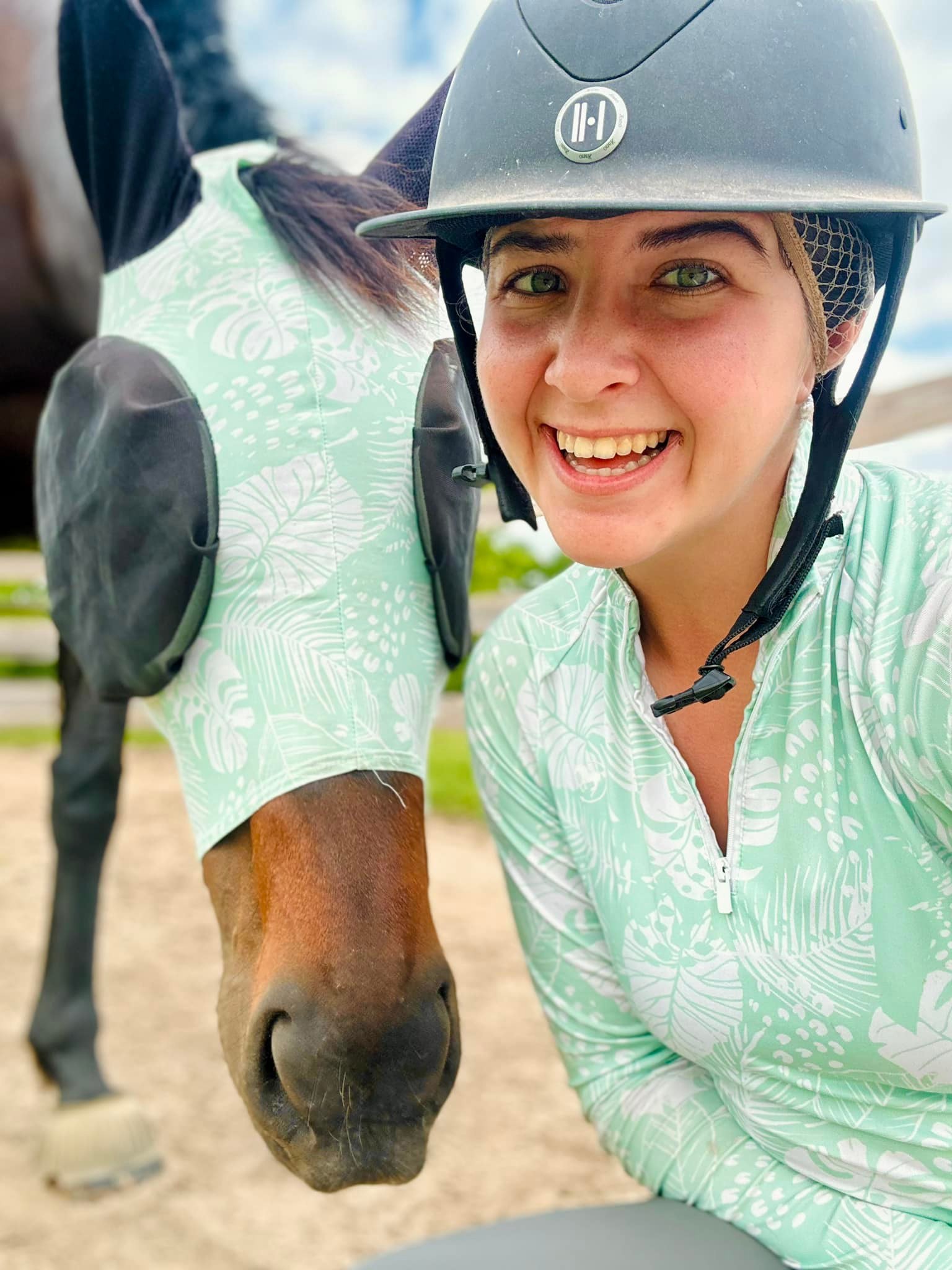
Spring is finally here, and if you’re like me, you’ve been counting down the days until you could ride without six layers and frozen fingers. The arena is thawing, the days are longer, and you’re ready to get back to real work.
But here’s the thing: your horse just had what amounts to a three-month vacation. And while you might be mentally ready to pick up where you left off in November, their body isn’t.
I see this every single spring — riders who push too hard too fast, and by May, they’re dealing with a sore horse, mysterious lameness, or worse. The excitement of good weather makes us forget that fitness isn’t something you can rush.
The Timeline No One Wants to Hear
There’s a general rule in conditioning that most people ignore: after the first month of a layoff, your horse needs about a month of reconditioning for every additional month they were rested.
So if your horse had three months of light work or pasture time? You’re looking at roughly two months of gradual conditioning before they’re back to where they were. Not two weeks. Two months.
I know. It feels like forever when the weather is perfect and you just want to ride. But this isn’t about being overly cautious — it’s about protecting your horse’s tendons, ligaments, and soft tissue from the kind of damage that happens when we ask too much, too soon.
What “Gradual” Actually Looks Like
Week one isn’t about schooling. It’s not even really about riding. It’s about movement.
Weeks 1-2: Walking. So much walking.
Hand-walking is underrated. Twenty to thirty minutes of purposeful walking — on varied terrain if possible — gets blood flowing, starts rebuilding fitness at the cellular level, and lets you assess how your horse is moving without the stress of carrying a rider.
If you do ride, keep it to 20-30 minutes of walking. Maybe some gentle trot work toward the end of week two. That’s it. I know it doesn’t feel like “training,” but it is.
Weeks 3-4: Adding trot work
Now you can start building in trot sets. Start with a few minutes at a time, interspersed with walk breaks. Your horse’s cardiovascular system will adapt faster than their soft tissues — so even if they seem like they have energy to burn, their tendons and ligaments need more time.
This is where people get in trouble. The horse feels fresh, you feel good, and suddenly you’re doing 45-minute schooling sessions with lateral work. Don’t.
Weeks 5-8: Gradual increases
By week five or six, you can start adding more structured work — longer trot sets, some canter work, basic schooling. But keep sessions under 45 minutes and give at least one rest day between harder efforts.
By week eight, most horses with a typical winter layoff are ready to handle normal work again. But even then, I’d hold off on anything high-intensity until you’ve got a solid foundation underneath.
Signs You’re Pushing Too Hard
Your horse will tell you if you’re moving too fast. Watch for:
- Reluctance to go forward that wasn’t there before
- Shortened stride or stiffness that doesn’t improve with warm-up
- Muscle soreness — running your hand along their back and hindquarters shouldn’t make them flinch
- Tripping or stumbling more than usual
- Attitude changes — grumpiness, pinned ears, resistance to being tacked up
Any of these are signs to back off. Not push through. Back off.
What About the Rider?
Let’s be honest — you’re probably not in peak riding shape either. Your core is weaker, your legs are less conditioned, and your balance might be rustier than you’d like to admit.
That’s normal. And it matters, because a tired, unbalanced rider makes the horse’s job harder.
Start with shorter rides than you think you need. Focus on your position. Do some off-horse fitness work if you can — even 10 minutes of core exercises a few times a week will help.
Your horse will thank you for not flopping around on their back while they’re trying to rebuild their own fitness.
The Payoff
I know this sounds like a lot of patience for not much visible progress. But here’s what you get in return:
- A horse who stays sound
- A horse who builds real, lasting fitness instead of compensating their way through fatigue
- A horse who actually enjoys the work because you’re not constantly asking for more than they can give
- A season of good riding instead of a season of vet bills and setbacks
Spring is a marathon, not a sprint. Take the time now, and by summer you’ll have a horse who’s fit, happy, and ready for whatever you want to do together.
Have questions about bringing your horse back into work? Drop them in the comments or send me a message — I’m always happy to help troubleshoot.