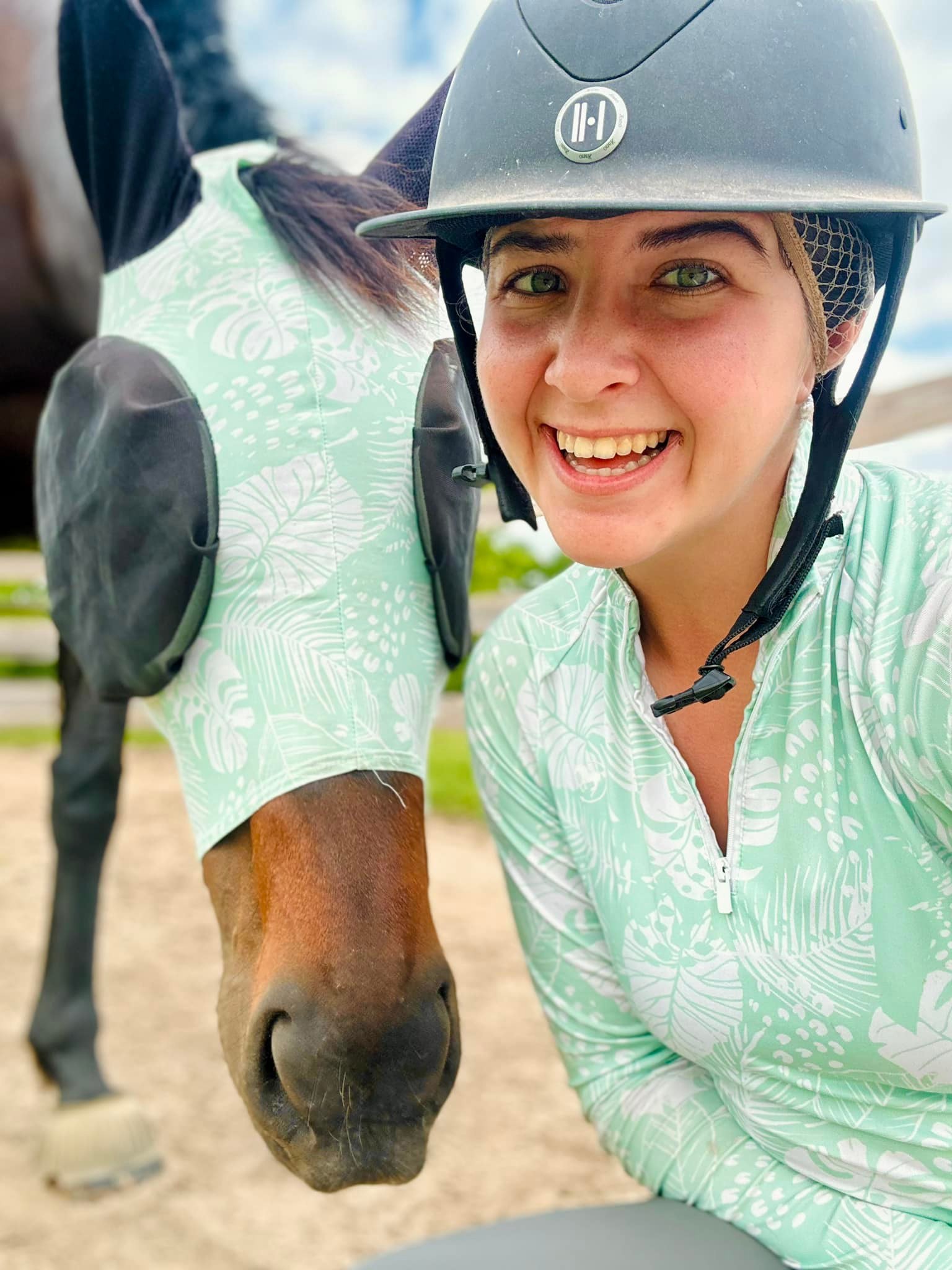
I give my horses cookies during training. Not just at the end — during. And I’ve gotten some looks for it.
(When I say “cookies,” I mean alfalfa pellets or carrots — not actual cookies. Just to be clear.)
“Won’t that make them nippy?"
"Aren’t you just bribing them?"
"Isn’t that… lazy horsemanship?”
Here’s the thing: the science says otherwise. And my horses agree.
What the Research Actually Shows
Studies on equine learning have found that positive reinforcement with food rewards leads to faster learning and training results that last longer compared to negative reinforcement alone. French researchers found that horses trained with food rewards pay more attention to their trainers — they’re not just compliant, they’re engaged.
This isn’t about replacing pressure-and-release. It’s about adding a layer that makes the whole process more effective.
Why Mid-Session Rewards Work
Most riders give treats at the end of a ride, if at all. But timing matters. Here’s why cookies during training are different:
1. They Mark the “Yes”
When you reward immediately after a correct response, you’re communicating with crystal clarity: that thing you just did? That’s what I wanted. The horse doesn’t have to guess. The dopamine hit creates a mental bookmark.
2. They Create Mental Breaks
Suppling work is hard — physically and mentally. A cookie break isn’t a reward for doing nothing; it’s a micro-recovery that lets the nervous system reset. Your horse processes what just happened, the muscles get a moment, and you both take a breath.
When I’m teaching shoulder-in, I might do three quality steps and then halt for a cookie. Those three steps were hard. The break acknowledges that.
3. They Build the Relationship
Horses trained with food rewards show more interest in their handlers. They approach willingly. They’re curious rather than checked out. That’s not bribery — that’s partnership.
But Won’t They Get Nippy?
This is the most common objection, and it’s fair. Here’s the difference: mugging happens when treats are unpredictable or given to appease pushy behavior.
Strategic rewards are different:
- The horse learns they come after a specific response
- You control the timing, not them
- The treat follows the behavior, not the begging
If your horse is getting nippy, the solution isn’t to eliminate treats — it’s to tighten your criteria and timing.
How I Use Cookies in My Rides
In my course From Stiff to Supple in 28 Days, cookie breaks are built into every session. Here’s the pattern I use:
- Ask for effort — a few steps of lateral work, a transition, whatever we’re working on
- Halt and reward — walk break plus cookie
- Let them process — 10-20 seconds of nothing
- Repeat — same exercise or progress to the next layer
Walk breaks and cookies aren’t optional in this program. This work is physically and mentally demanding for your horse, even at the walk. The breaks give muscles time to recover and teach your horse that effort is followed by reward, not more effort.
The Bigger Picture
If your horse dreads your training sessions, no amount of technical skill will fix that. Horses learn best when they’re calm, focused, and motivated. Strategic food rewards hit all three.
The goal isn’t to turn every ride into a treat party. It’s to use one of the most powerful tools available — food — with intention. Your horse isn’t a machine. They’re a partner. And partners deserve to know when they’re getting it right.
Want a complete suppling program with built-in reward strategies? Check out From Stiff to Supple in 28 Days — the ride-along course where I coach you through every session, cookies included.